
The Hidden Cost of Manual Package Handling
A closer look at the operational drain most teams overlook
Manual package handling rarely gets questioned. It is simply how things have always been done. But when you step back and take a closer look, the cracks start to show. What seems like a small, routine task quietly eats away at productivity, takes over valuable space and introduces more risk than most teams realize.
On the surface, it feels minor. In reality, it is one of the more expensive workflows hiding in plain sight.
How Packages Are Handled Today
In most offices, campuses and multi-tenant facilities, the process looks familiar.
Deliveries arrive throughout the day from multiple carriers. Someone at the front desk or in the mailroom receives them. They are logged, sometimes in a system and sometimes not. Then they are placed wherever there is space, whether that is a closet, a hallway or an unused office.
From there, staff notify recipients and coordinate pickup during business hours. This process worked when package volumes were low and predictable. That is no longer the case.
Today, deliveries arrive constantly. Volumes are higher. Timing is less predictable. And yet, the process has not evolved to keep up. Manual handling has simply become the default, even though the conditions have changed.

Where the Costs Start to Add Up
Handling one package does not seem like a big deal. But it is never just one. Every single delivery requires the same set of steps:
- Accept it
- Log it
- Move it
- Store it
- Notify someone
- Stop what you are doing, again, when they arrive
Now multiply that by dozens, or even hundreds, of packages each day. That is where things start to break down. You end up with constant interruptions. Repetitive work that pulls staff away from more important responsibilities. And processes that vary depending on who is working or how busy things are.
None of this shows up neatly on a report, which is exactly why it goes unnoticed for so long.
What It Actually Costs
As volume increases, manual handling does not just become inefficient. It starts to impact the entire operation.

Labor
Teams spend hours each week managing packages instead of focusing on their core work. Front desk and facilities staff shift into reactive mode and in some cases, extra coverage is needed just to keep up.
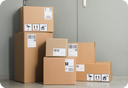
Space
Packages do not stay contained. They spill into hallways, offices, and shared areas. What starts as temporary storage slowly becomes permanent clutter and eats into usable space.

Risk and Accountability
The more manual the process, the more room there is for things to go wrong. Packages get misplaced. Tracking is inconsistent. And when something goes missing, there is often no clear record of what happened.
Over time, organizations absorb higher costs, more risk and declining service levels without a clear explanation as to why.
A Smarter Way to Handle It
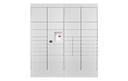
Smart lockers change the process entirely. Instead of multiple touchpoints, packages are scanned once and securely stored. Recipients are automatically notified and can pick up their items whenever it works for them, without staff involvement. The shift is simple, but the impact is significant.
- Less time spent handling packages
- Fewer interruptions for your team
- More efficient use of space
- Clear tracking and accountability
- Lower risk of loss or disputes
Instead of adding more labor to keep up with volume, you remove the bottleneck altogether.
This Is Not a Small Fix
Manual package handling does not suddenly fail. It slowly wears things down over time. By the time it becomes a visible problem, teams are already frustrated, service levels have slipped, and the costs are already built in. Smart lockers do not just improve the process. They solve the underlying issue.
See What It Is Costing You
Every facility is different. Volume, staffing and risk all vary, which is why assumptions only get you so far. If you want a clearer picture of what is actually happening in your operation, it starts with the right data.
FP Offers a Complimentary Onsite Assessment to Help You:
- Understand how packages and assets move through your facility today
- Identify inefficiencies across labor, space, and security
- Pinpoint areas of risk and service gaps
- Determine where smart lockers and tracking can deliver the most value

FAQs
Request your free onsite assessment today!
Explore how FP Smart Lockers can help streamline distribution, reduce manual processes, and create a better experience for your users.
Published at: 05/20/2026
Jamie Spell is the National Business Development Manager. He has been with FP Mailing Solutions since 2018, and working in the industry for over 10 years. When not working, Jamie enjoys traveling, golfing, and college sports.
Newsroom Posts from Jamie Spell

FP Trax and the Operational Challenges of Internal Delivery Tracking
Package management used to be relatively straightforward. Deliveries arrived at a central mailroom or front desk, were signed for, and employees...

Boost Revenue and Customer Satisfaction - Even After Hours
Quick Print - Order Pickup Solutions You deliver quality, We deliver convenience. Your customers count on you for fast and professional printing....
Why Smart Lockers Belong in Your Operations Strategy
Smart lockers are often evaluated like furniture or IT equipment. People look at unit cost, footprint, and how they fit into the space. That...